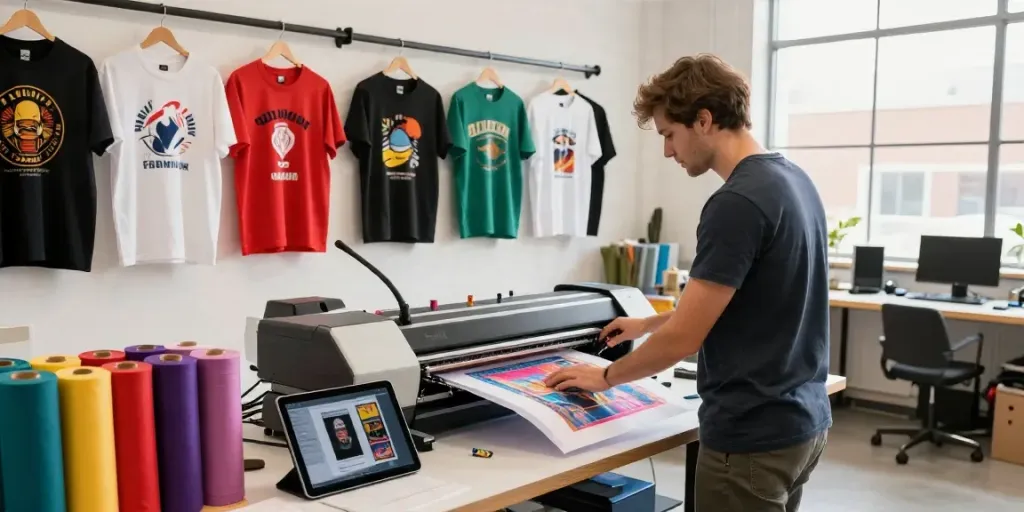
Understanding the Impresora de Camisetas Technologies
As the custom apparel market continues to expand, the importance of selecting the right impresora de camisetas becomes increasingly critical for small businesses. This guide will delve into the diverse technologies available, focusing on Direct-to-Garment (DTG) and Direct-to-Film (DTF) printing solutions, which stand at the forefront of innovation in the industry.
What are DTG and DTF Printers?
Direct-to-Garment (DTG) printers utilize inkjet technology to print directly onto textiles, allowing for intricate designs and high-resolution images. This method is particularly well-suited for printing on cotton fabrics, making it an excellent choice for custom t-shirt production. On the other hand, Direct-to-Film (DTF) printers print designs onto a special transfer film, which is then heat-pressed onto the fabric. This technology is versatile, capable of printing on a variety of materials, including polyester and nylon, and is known for producing vibrant colors and excellent durability.
Key Advantages of Sublimation Printing
Sublimation printing is another method gaining popularity for its ability to produce long-lasting designs that are embedded into the fabric. Unlike traditional printing, sublimation allows for full-color images that do not fade or crack over time. This printing process is particularly advantageous for all-over designs and is perfect for fashion brands looking to make a statement. Its ability to handle gradients and intricate designs ensures that every print meets the highest standards of quality.
Comparing Investment: DTG vs DTF
When comparing DTG and DTF printers, potential buyers must assess several factors, including initial investment costs, ongoing operational expenses, and ease of use. Generally, DTG printers require a higher upfront investment but offer superior print quality on cotton fabrics. Conversely, DTF printers are often less expensive and allow for a broader range of materials, making them ideal for businesses that need flexibility in their printing capabilities. Businesses should consider their specific needs and target market when deciding which technology best suits their operations.
Choosing the Right Equipment for Your Business
Selecting the appropriate sublimation equipment is a crucial decision for your custom t-shirt business. With a wide variety of models available, each tailored to different production needs, understanding your requirements can help in making an informed choice.
Factors to Consider When Buying a Printer
When investing in a printing machine, several factors need to be considered: print quality, speed, ease of use, and compatibility with different materials. Additionally, assess the printer's maintenance requirements and the availability of support from the manufacturer. This will ensure that you not only get a machine that meets your immediate needs but one that can grow with your business as demand increases.
Top Models for Small Businesses
There are several highly recommended models on the market. For DTG printing, the Brother GTX Pro and Epson SureColor F2100 have emerged as favorites for their speed and print quality. For DTF printing, the Epson L805 offers a compelling option for its affordability and reliable performance. These machines cater to the needs of small businesses, providing high-quality outputs without prohibitive costs.
Budgeting for Quality and Performance
While it may be tempting to choose the cheapest option available, investing in a quality printer can save businesses time and resources in the long run. Consider not only the purchase price but also the costs associated with inks, maintenance, and repairs. Setting a budget that emphasizes quality can lead to better results and higher customer satisfaction.
Setting Up Your Sublimation Printing Workflow
A well-organized printing workflow is essential for efficiency and productivity. Establishing a systematic approach will allow you to streamline operations and fulfill orders more effectively.
Essential Pre-Print Preparations
Before printing, it's vital to prepare your designs properly. This includes ensuring that images are in the correct format, size, and resolution for the intended print. Additionally, pre-treating fabrics, especially for DTG printing, can significantly enhance image quality and durability.
Optimizing Printer Settings for Best Results
Each printer model will have specific settings for different types of materials. Familiarize yourself with the machine's manual and experiment to find the optimal settings for vibrancy, saturation, and speed. This customization can make a notable difference in the quality of the final product.
Managing Inventory and Supplies
Maintaining an adequate supply of inks, transfer films, and substrates is crucial for uninterrupted workflow. Keeping a well-organized inventory helps prevent production delays and ensures that you can meet customer demands promptly. Regularly review your inventory levels and plan orders accordingly to avoid shortages.
Marketing Your Custom Apparel Business
Once your printing process is established, the next step is effective marketing. Identifying your target audience and employing strategic marketing techniques can help you build a customer base and grow your brand.
Identifying Your Target Market
Understanding who your ideal customers are is fundamental. Analyze demographics such as age, interests, and spending habits to tailor your marketing message. This information will guide product development, pricing strategies, and promotional methods.
Effective Social Media Strategies for Engagement
Social media platforms are invaluable for promoting your custom apparel. Utilize visually appealing content to showcase your products and engage with customers through contests, giveaways, and user-generated content. Building a strong online presence can dramatically enhance visibility and drive sales.
Building a Brand Around Your Custom Products
Creating a recognizable brand identity sets you apart from competitors. Focus on developing a unique aesthetic, consistent messaging, and excellent customer service. A strong brand fosters loyalty and encourages repeat purchases, which are crucial for long-term success.
Looking Ahead: Future Trends in Apparel Printing
As technology evolves, so too does the landscape of apparel printing. Staying ahead of trends can help businesses adapt and thrive in a competitive market.
Emerging Technologies in Textile Printing
Advancements in digital printing technology lead to faster, more efficient production methods. Innovations such as hybrid printing, which combines traditional and digital techniques, are gaining traction. These technologies can enhance design capabilities and reduce costs, making them appealing for forward-thinking businesses.
Eco-Friendly Practices in Sublimation Printing
With sustainability becoming a focal point for consumers, eco-friendly printing practices are more important than ever. Companies should consider using water-based inks, recycling waste materials, and opting for sustainable fabrics. Highlighting your commitment to environmentally friendly practices can attract conscientious customers.
Predictions for the Custom Apparel Market in 2026
Looking towards 2026, the custom apparel market is expected to continue its growth trajectory. Personalization will remain a significant trend, with customers increasingly seeking unique designs. As technology improves, the barriers to entry will lower, allowing more individuals to start their apparel businesses. Staying informed and adaptable will be essential for success in this dynamic market.
What type of printer is needed for T-shirt printing?
The type of printer required for T-shirt printing often depends on the desired outcome and production volume. DTG printers are excellent for detailed designs on cotton, while DTF printers are versatile for various fabrics.
How much does a T-shirt printing machine cost?
The cost of a T-shirt printing machine can vary widely, ranging from several hundred to several thousand dollars, depending on the technology and features. Budgeting for both the initial purchase and ongoing supplies is crucial.
How can I print my own T-shirt designs at home?
To print T-shirt designs at home, you'll need a compatible printer, transfer paper, and a heat press. Designs can be created using graphic design software, printed onto transfer paper, and then heat-pressed onto the shirts.
What is the best way to print logos on clothing?
The best methods for printing logos on clothing include screen printing, DTG, and DTF printing. Each method offers different benefits, so businesses should choose based on their specific needs and volume requirements.
How to ensure high-quality prints from sublimation equipment?
Ensuring high-quality prints involves using the right materials, optimizing printer settings, and maintaining your equipment. Routine maintenance and calibration can prevent issues and sustain print quality over time.