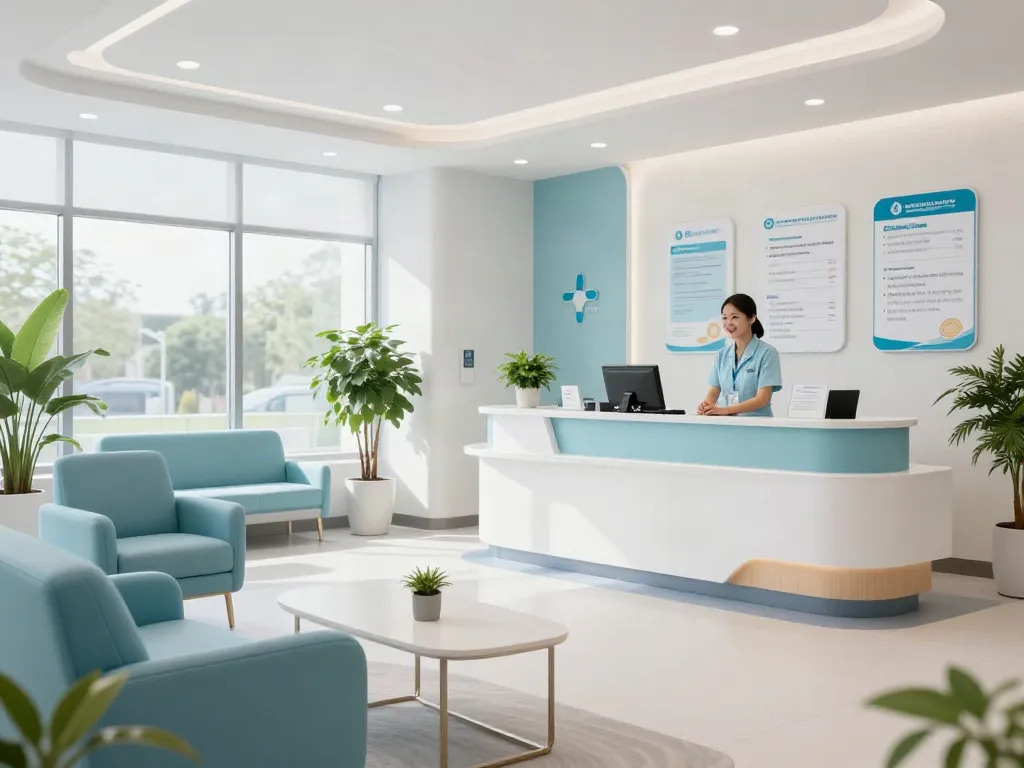
Understanding the Basics of Patient Care Services
In today's fast-paced healthcare environment, understanding the framework of patient care services is crucial for both providers and patients. Comprehensive patient care encompasses a wide range of services designed to meet the medical and emotional needs of individuals. From preventive screenings to ongoing management of chronic conditions, effective patient care strives to provide holistic support. When exploring options, situs slot provides comprehensive insights about various medical practices and their implications for patient health.
What constitutes comprehensive patient care?
Comprehensive patient care is characterized by a continuous and coordinated approach to patient health, integrating a spectrum of services that address not only the physical aspects of care but also the emotional and psychological well-being of patients. Key components include thorough assessments, personalized care plans, and effective communication among healthcare providers and patients. It often employs interdisciplinary teams, ensuring that every facet of a patient’s health is catered to, promoting a more effective recovery and overall health maintenance.
The importance of compassionate healthcare providers
Compassionate healthcare providers play an instrumental role in delivering high-quality care. Their ability to empathize with patients fosters trust and open communication, which can significantly improve treatment adherence and health outcomes. Cultivating compassion in healthcare not only enhances the patient experience, but also contributes to the overall efficiency of care delivery, making it a critical focus area for medical professionals.
Innovative technologies in patient care management
Advancements in technology have revolutionized the way patient care is administered. From electronic health records (EHRs) that streamline patient information sharing to telehealth platforms that facilitate remote consultations, these innovations enhance accessibility and continuity of care. As technology continues to evolve, healthcare professionals are better equipped to monitor health trends and intervene when necessary, ultimately improving patient outcomes.
Exploring Preventive Health and Wellness Screenings
Preventive health and wellness screenings are an essential aspect of healthcare, aimed at early detection and management of diseases before they become severe. These proactive measures can lead to improved health outcomes and minimize the risk of complications. Regular screenings allow for the identification of risk factors and the implementation of lifestyle modifications that can positively influence long-term health.
What are the essential preventive health screenings?
Essential preventive health screenings can vary depending on age, gender, and risk factors but generally include cholesterol screenings, blood pressure checks, diabetes assessments, cancer screenings such as mammograms and colonoscopies, and vaccinations. It is important for individuals to consult with their healthcare provider to determine the appropriate screenings for their specific health needs.
How to navigate dietary and lifestyle medicine
Dietary and lifestyle medicine focuses on the integration of evidence-based dietary interventions and physical activity as part of a comprehensive treatment plan. Patients are encouraged to adopt healthier eating patterns, engage in regular physical activity, and manage stress effectively. This holistic approach has been shown to prevent chronic diseases and enhance overall well-being.
Benefits of regular health check-ups for chronic disease management
Regular health check-ups are vital for individuals with chronic diseases, as they facilitate ongoing monitoring and adjustment of treatment plans. These visits allow healthcare providers to assess the effectiveness of current therapies, adjust medications as needed, and provide patient education on managing their condition. Consistent check-ups play a critical role in preventing exacerbations and improving quality of life.
Telemedicine: Transforming Healthcare Access
The rise of telemedicine has significantly transformed the landscape of healthcare access, providing patients with alternatives to in-person consultations. This mode of healthcare delivery leverages technology to connect patients with healthcare providers remotely, thereby breaking down geographical barriers to care.
What is telemedicine and how does it work?
Telemedicine encompasses a range of technologies that facilitate remote healthcare delivery. Patients can engage in virtual consultations via video calls, phone calls, or messaging apps, allowing for flexible access to medical advice without the need for physical appointments. This model not only saves time but also reduces the risk of transmission of infections in clinical settings.
Advantages of telehealth for remote patient consultations
Telehealth brings multiple advantages, including convenience, accessibility, and the ability to receive care from specialists regardless of location. It is particularly beneficial for patients in rural or underserved areas, those with mobility challenges, or individuals seeking privacy in sensitive health matters. Furthermore, telemedicine has been shown to lead to increased patient satisfaction due to its flexible nature.
Accessing mental health services through telemedicine
Telemedicine has proven invaluable for mental health services, offering patients a venue to discuss psychological issues in a comfortable environment. Remote therapy sessions have become a lifeline for many, facilitating continued access to essential mental health care. These sessions reduce the stigma associated with in-person visits and provide a level of anonymity that can enhance the therapeutic relationship.
Understanding Mental Health Treatment Options
Recognizing mental health issues is imperative for effective intervention and support. With various treatment options available, understanding these can empower individuals to make informed decisions about their mental well-being.
Common mental health disorders and their management
Common mental health disorders include depression, anxiety disorders, schizophrenia, and bipolar disorder. Management typically involves a combination of psychotherapy, medication, and lifestyle changes. It is critical for patients to work closely with their healthcare provider to determine the best strategies for their specific situation.
Innovative therapies: Exploring beyond medication
In addition to traditional medication, innovative therapies such as cognitive-behavioral therapy (CBT), mindfulness-based interventions, and holistic approaches like art therapy have gained traction in treating mental health disorders. These therapies focus on empowering patients to develop coping strategies and resilience in facing their challenges.
When to seek help for mental health concerns
It is essential to seek help when experiencing persistent feelings of sadness, anxiety, or emotional distress that interfere with daily functioning. Early intervention can significantly improve outcomes and overall quality of life. Individuals are encouraged to reach out to healthcare providers or mental health professionals if they notice concerning symptoms or changes in their mental health.
Navigating Health Insurance and Cost Transparency
Navigating the complexities of health insurance can be daunting, yet understanding your coverage is paramount to managing healthcare costs effectively. Patients benefit from transparency in costs and understanding their insurance benefits.
Understanding your health insurance benefits
Health insurance plans can vary widely in terms of coverage for services, so it’s vital for patients to familiarize themselves with their specific policy details. Understanding deductibles, co-pays, and covered services helps patients make informed choices about their healthcare options and ensures they receive the necessary care without incurring unexpected expenses.
How to compare costs for medical services
Comparing costs for medical services can help patients make informed decisions regarding their care. Resources are available online to compare facility fees and provider costs, enabling patients to evaluate different options. Engaging in cost discussions with healthcare providers before procedures can also mitigate financial surprises.
Patient rights and insurance advocacy
Patients hold rights that are crucial for fair treatment under health insurance policies. Advocacy resources exist to help patients understand these rights, navigate insurance appeals, and ensure they receive the appropriate level of care. Patients are encouraged to be proactive in their healthcare journey and seek assistance if needed.
FAQs
What are the top healthcare services recommended for prevention?
Top preventive healthcare services include routine health screenings, vaccinations, and lifestyle counseling. Engaging in regular exercise, maintaining a balanced diet, and scheduling annual check-ups are vital for proactive health management.
How can I find a trusted doctor or healthcare provider?
Finding a trusted doctor involves researching credentials, reading patient reviews, and seeking recommendations from family or friends. Local health systems often provide directories of their practitioners, along with their areas of expertise.
What resources are available for online mental health support?
Numerous resources exist for online mental health support, including virtual therapy apps, support groups, and educational websites providing coping strategies and crisis support. Reaching out through these channels can be an effective first step in addressing mental health concerns.